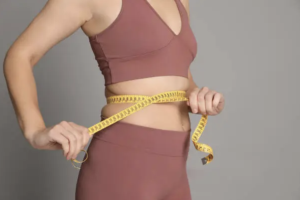
Most of the plans online for “female weight loss” are crash diets in disguise, and they backfire. Beginners need something simple that they can actually follow. This beginner diet plan for weight loss for females is built on everyday Indian food. You will learn how a healthy calorie deficit works, what to put on your plate, a 7-day Indian meal plan with veg and non-veg options and tips that matter for women’s bodies.
A beginner woman can lose weight on a moderate calorie deficit based on protein, fibre and whole Indian foods such as dal, vegetables, millets, curd and eggs. A gentle goal is about 0.25–0.5 kg a week. Eat enough, balance your meals and vary how much you eat to suit your hunger and schedule. This method works for vegetarians and non-vegetarians. If you’re pregnant, breastfeeding or coping with PCOS, thyroid problems, diabetes or a past history of disordered eating, talk to your doctor or registered dietitian first.
Does Weight Loss Work Differently for Women?
Yes, in a few important ways. Hormones, your cycle and common nutrient gaps all change how a diet feels and works.
Hormones and appetite
Oestrogen, progesterone, insulin and leptin affect hunger and fat storage. According to a 2025 meta-analysis, women ate more on average during the luteal phase (the days before a period) compared to the follicular phase. So increased cravings and a larger appetite before your period are normal. They are not an indication of your failure.
PCOS and PCOD
PCOS affects about 12% of women of reproductive age across the globe. Insulin resistance is common in PCOS, which can make it harder to lose weight. The 2023 international guideline places a healthy lifestyle at the centre of care, but does not recommend one specific diet. It also points out the benefits of eating well and being active even if you do not lose weight. Get a proper diagnosis from a physician. Don’t try to self-treat.
Don’t lose the nutrients women need
NFHS-5 (2019–21) found around 57% of Indian women aged 15–49 were anaemic. The latest ICMR-NIN recommendations have also increased the daily allowances of vitamins and minerals as compared to 2010. So don’t cut out dal, greens, dairy or eggs to save calories. Indian foods rich in iron for women include rajma, chana, palak and ragi.
If you are always trying and the weight is not shifting, see a doctor. An underactive thyroid can make you put on weight, feel tired and feel cold.
How Weight Loss Actually Works (Without Crash Dieting)
Weight loss is a matter of energy balance. If you regularly eat a little less than your body uses, you lose weight. That little gap is a calorie deficit. It doesn’t mean starving.
A realistic speed. The safe rate of weight loss for most adults is 0.5–1 kg a week, says the NHS. The gentler 0.25–0.5 kg a week is easier to stick with as a beginner. Quick weight loss increases the likelihood of developing malnutrition and gallstones. It is also not likely that the weight will stay off. Fast weight loss often involves muscle and water, not just fat.
Your safe floor. Avoid 800-calorie, GM, liquid and very-low-calorie diets. Muscle loss, fatigue, dehydration, gallstones and nutrient gaps can result. Also, they are hard to maintain so weight tends to come back. Eat enough, not less.
Consider portions and habits, not a one-size-fits-all number. Make half your plate vegetables. Protein at every meal. Eat to your comfortable fullness. The ICMR-NIN guidelines stress a varied, balanced diet from all food groups rather than extreme restriction. A registered dietitian can set personal calorie numbers, if you want.
What to Put on Your Plate
Protein first
Protein is more filling than carbohydrate or fat, so it keeps you full for longer. In a trial of women on a reduced intake diet, a higher-protein intake helped preserve lean muscle. Protein is easy to miss on a vegetarian plate unless you think about it.
Good Indian sources are dal, rajma, chana, paneer, curd, soya, eggs, chicken and fish. For further information, you can also check out our guide on high-protein Indian foods.
Fibre and smart carbs
Choose millets (ragi, jowar, bajra), whole wheat, oats, vegetables and fruit. The high-fibre foods help you feel full for longer, so an Indian diet with a high-fibre content is easier to stick with.
Healthy fats and portions
Nuts, seeds, ghee and oil are all good on your plate. They are calorie-dense, so measure them out: a small handful of nuts, 1–2 teaspoons of ghee or oil per meal.
For a beginner’s weight loss plate, forget counting calories and try this visual: half plate veggies, quarter plate protein, quarter plate whole grain. This follows the balanced-plate approach of ICMR-NIN’s My Plate for the Day.
7-Day Sample Indian Diet Plan for Weight Loss (Veg & Non-Veg)
V = lacto-vegetarian (includes curd, milk, paneer). NV = non-veg (eggs, chicken, fish). Mix and match freely.
| Day | Early morning | Breakfast | Mid-morning | Lunch | Snack | Dinner |
|---|---|---|---|---|---|---|
| 1 | Water + 4 soaked almonds | V: 2 besan chilla + curd. NV: veg omelette (2 eggs) + 1 toast | Apple | 2 rotis, dal, sabzi, salad. NV: chicken curry instead of dal | Roasted chana | V: paneer bhurji + 1 roti. NV: grilled fish + sabzi + 1 roti |
| 2 | Water + 4 soaked almonds | V: 3 idli + sambar. NV: same + 1 boiled egg | Buttermilk | 1 bowl brown rice, rajma, salad. NV: fish curry instead of rajma | Guava | V: moong khichdi + curd. NV: egg bhurji + 1 roti + sabzi |
| 3 | Water | V: veg poha + glass of milk. NV: poha + 2 boiled eggs | Fruit | 2 rotis, chana masala, sabzi, salad. NV: chicken-veg curry | Sprouts chaat | V: dal + sabzi + 1 roti. NV: grilled chicken + sauteed veg |
| 4 | Water + 4 soaked almonds | V: veg oats upma + curd. NV: oats upma + 1 egg | Curd, or optional protein shake | 2 rotis, palak dal, salad. NV: add grilled chicken | Roasted makhana | V: soya-veg sabzi + 1 roti. NV: chicken stir-fry + 1 roti |
| 5 | Water | V: moong dal chilla + chutney. NV: veg omelette + toast | Fruit | 2 jowar rotis, mixed dal, sabzi. NV: fish curry instead of dal | Buttermilk | V: paneer tikka + salad + 1 roti. NV: tandoori chicken + salad |
| 6 | Water + 4 soaked almonds | V: 1 paneer-veg paratha + curd. NV: egg bhurji + 1 roti | Fruit + handful of nuts | Veg pulao + raita + salad. NV: chicken pulao | Roasted chana | V: light khichdi + curd. NV: egg curry + sabzi |
| 7 | Water | V: 2 dosa + sambar. NV: same + 1 egg | Fruit | Flexible meal: home thali or mindful eating out | Tea + small snack | V: dal + sabzi + 1 roti. NV: grilled fish + veg |
Portion guide: 2 rotis + 1 bowl dal (or a palm-sized piece of paneer, chicken or fish) + 1 bowl sabzi + salad. Portion sizes adjust to your size, hunger, and activity. Ask a registered dietitian for your personal numbers.
Swap and flexibility: Swap any meal with another day. Eating out? Choose grilled or tandoori dishes, dal and roti, and avoid sugary drinks. One off-plan meal doesn’t ruin your week.
Where Protein Supplements Fit (Honest)
Food comes first. A protein supplement only fills a gap when meals fall short, which can happen on busy days. ICMR-NIN’s guidelines favour getting protein from food and caution against heavy reliance on protein powders. Higher-protein diets can also support fullness and muscle retention while eating less. Fat burners are not part of this plan.
A simple option: Fuel One Whey Protein
Fuel One Whey Protein is one convenient option. Fuel One is a HealthKart brand, so treat this as our own product, not an independent pick.
The label lists about 24 g of protein per serving, with BCAAs and EAAs, and low or no added sugar.
Use it in the mid-morning slot or after a workout from the 7-day plan, to curb snacking and meet your daily protein. It is optional, not required. If you have a kidney condition, ask your doctor first.
For more, read HealthKart’s beginner fat-loss diet plan and protein for women guide.
Beyond the Plate: Sleep, Water, Movement, Stress
Sleep. Short sleep raises hunger. A meta-analysis of 41 trials found people ate about 250 more calories a day after restricted sleep. Keep a regular bedtime.
Water. Drink water through the day. Around 2–3 litres of fluids suits many adults, but needs vary with heat and activity.
Movement. WHO advises adults to do 150–300 minutes of moderate activity a week, plus muscle-strengthening on two or more days. Start with a daily walk and two short home strength sessions. Try a beginner home workout.
Stress. Stress can push you to eat when you are not hungry. Try a short walk, a call with a friend or a cup of tea first.
Movement supports weight loss, but your diet drives it. You do not need extreme workouts to start.
Mistakes to Avoid and When to See a Professional
Common beginner mistakes:
- Crash dieting. Very low-calorie and fad diets risk muscle loss and nutrient gaps.
- Skipping meals. It often leads to overeating later. Regular meals with protein keep hunger steady.
- Cutting entire food groups. You may miss iron, calcium and fibre.
- Relying on “detox” or fad products. Fad diets lack scientific backing. Water, sleep and balanced meals do the real work.
- Weighing daily and panicking. Weight naturally moves up and down. Weigh once a week and track how your clothes fit.
Medical caution: Talk to a doctor or registered dietitian before starting if you are pregnant or breastfeeding, have PCOS, thyroid issues or diabetes, or have any history of disordered eating. If food or your body image feels distressing, reaching out for support is a strength, not a setback. This plan is general information, not a personal medical prescription.
FAQs
How can a female beginner start losing weight at home?
Start with two changes: add protein and vegetables to every meal, and cut back on sugary drinks and fried snacks. Cook everyday Indian food in measured portions, keep a regular sleep routine and walk daily. Aim for about 0.25–0.5 kg a week. If you are pregnant, breastfeeding, or have PCOS, thyroid issues, diabetes or past disordered eating, check with a doctor first.
How many calories should a woman eat to lose weight?
There is no single number. It depends on your age, height, weight and activity. A safe approach is a modest cut below what keeps your weight steady, enough for about 0.25–0.5 kg a week. Avoid very-low-calorie diets, which can cause muscle loss and nutrient gaps. A registered dietitian can calculate your personal range.
Which Indian foods are best for weight loss for females?
Choose dal, rajma, chana, paneer, curd, eggs, fish and chicken for protein. Add millets, oats and whole wheat for fibre, plus vegetables at every meal. Protein is more filling than carbohydrate or fat, and fibre helps you feel full for longer. No single food burns fat, so build balanced plates.
How much weight can a beginner realistically lose in a month?
At 0.25–0.5 kg a week, that is roughly 1–2 kg a month. The NHS calls 0.5–1 kg a week a safe pace for most adults, so beginners can stay at the gentler end. Faster loss raises the risk of malnutrition and gallstones. Early drops often include water.
Is whey protein good for women trying to lose weight?
It can help. Higher-protein diets support fullness and muscle retention during weight loss. But food comes first: ICMR-NIN favours meeting protein needs from meals. Whey is optional, useful when meals fall short. Check the label, and ask a doctor first if you have a kidney condition.
Why is it harder for women to lose weight?
Hormones, PCOS and thyroid conditions can all play a role. Appetite tends to rise before a period, and PCOS involves insulin resistance, which can slow loss. If progress stalls despite steady habits, see a doctor, since thyroid problems can cause weight gain.
Start small this week. Add protein to every meal and drink water regularly. That is enough to begin. If you want a convenient protein option, Fuel One Whey Protein is there as an optional aid, and our beginner fat-loss diet plan goes deeper on meals.